

Advanced Manufacturing Takes More Than Advanced Equipment
2026-10-27
High-generation OLED manufacturing extends precision processes to larger substrates. Advanced semiconductor processes continue to scale down, while ADC, cell and gene therapies introduce increasingly complex requirements for contamination control and process integration. Although these technologies differ, they share a common challenge:How can the operating conditions required by production equipment be consistently maintained when multiple systems operate together?
Passing Individual System Tests Does Not Guarantee Overall Performance
A gas supply system may pass standalone testing, yet still fail to maintain the required pressure and flow at the point of use when multiple tools draw gas simultaneously. Similarly, an exhaust system may operate normally on its own, but its interaction with make-up air and room pressure differentials must also be verified after equipment connections are completed. As equipment is connected in phases and operating loads change, the actual operating conditions of facility systems change accordingly. Completing installation and testing within each discipline is essential, but it cannot replace verification of the overall operating conditions.
At BOTH, we believe that system integration is not simply the sum of completed work across disciplines. It means carrying consistent operating requirements through design and implementation, then verifying overall performance under defined operating conditions.
Carry Operating Requirements Through Every Interface
Operating requirements should not be left until commissioning. Equipment needs, utility parameters, and control logic must be translated into actionable, verifiable design and implementation criteria, with clear interfaces and responsibilities defined between facility systems, equipment, and different engineering disciplines. When equipment selection, layout, or operational requirements change, the impact on connected systems and testing requirements must also be assessed. This helps prevent drawings, equipment documentation, and site implementation from being updated independently without a consistent basis.

With cleanroom system integration at its core, BOTH connects detailed engineering, project execution, and equipment interfaces. Our focus goes beyond whether individual activities are completed to ensuring that production requirements are accurately translated into site implementation.
Testing Must Have Defined Conditions and Clear Boundaries
A successful test must establish the conditions under which the result was achieved. Whether testing involves a single tool or multiple tools, the applicable load conditions and control modes should be defined according to project requirements. Semiconductor and display facilities focus on their respective environmental and utility supply requirements. Pharmaceutical and life sciences facilities also require qualification and validation in accordance with applicable standards and project requirements. These different needs cannot be adequately addressed by a single, universal testing approach.
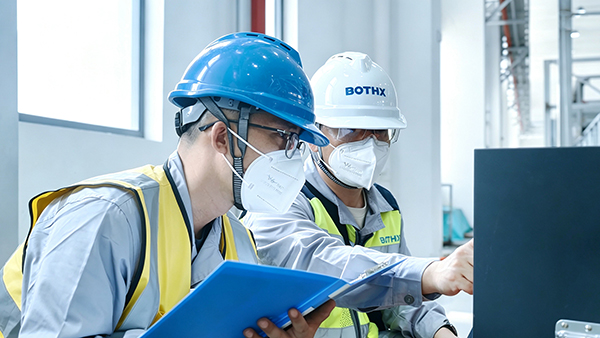
Modularization can move some installation inspections and functional testing into the factory. However, interfaces, system interactions, and overall operating conditions following onsite connections must still be verified in the field. Factory testing and onsite commissioning have distinct scopes and limitations, together forming a phased approach to quality control.
Closing the Loop Beyond Testing
The value of testing extends beyond producing a pass record. When deviations are identified, their root causes must be analyzed, corrective actions assigned, and retesting performed according to the scope and impact of the issue. At handover, relevant test records, operation and maintenance documentation, and necessary training should also be provided, ensuring that operations teams understand the system's operating conditions and limitations.
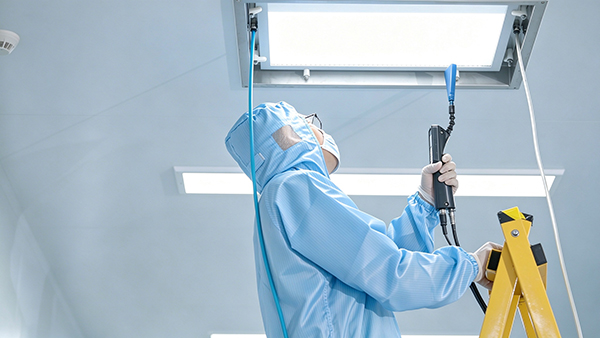
From requirements definition and testing to corrective actions and handover, BOTH integrates reliability requirements throughout the delivery process, providing clients with facility operating conditions that are verified, documented, and traceable.
Advanced equipment enables technological breakthroughs. System integration turns those breakthroughs into manufacturing reality.